Medical professionals must stay current with HIPAA regulations for compliance. These laws are designed to ensure the security of patient information. All medical professionals must be aware of and adhere to these laws. It can be challenging to keep up with HIPAA regulations, especially in today’s information age. There are numerous resources that can help ensure that your practice remains compliant and secure. The information you’ve gathered will allow you to ensure the security of confidential information. It is essential to adhere to these rules to ensure that personal information of patients is secure from security breaches and losing trust. It is imperative to follow the steps to implement HIPAA conformance. This shows that you value the privacy of patients and is an essential element of the success of your medical practice.
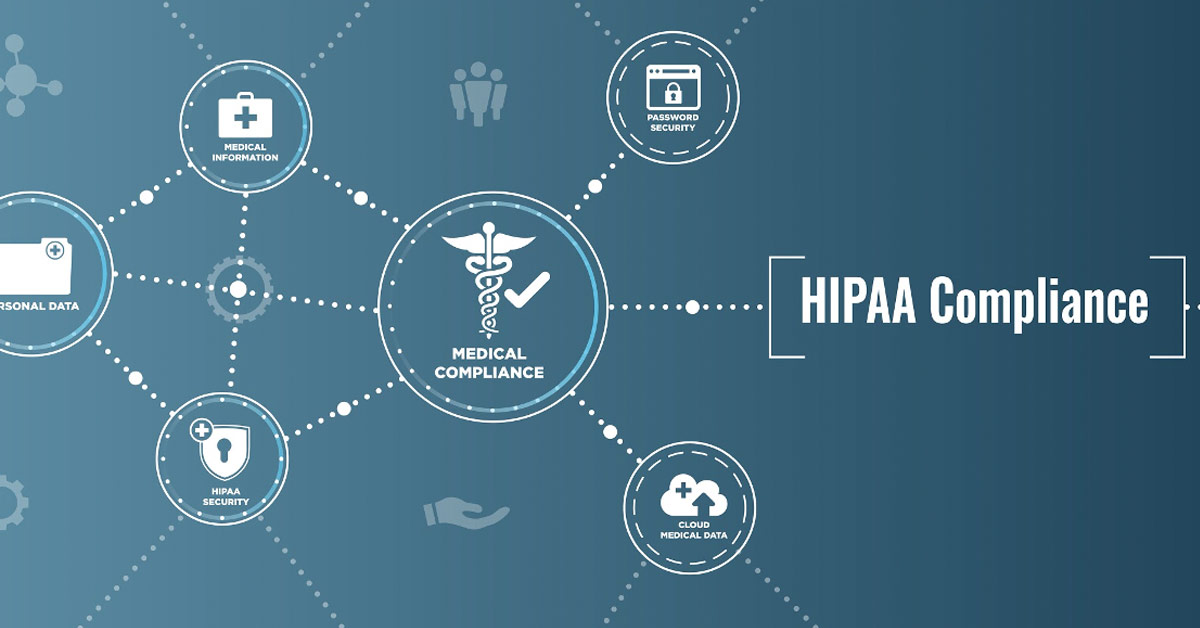
Anyone who is handling sensitive patient information needs to be aware of HIPAA Compliance. HIPAA regulations require all organizations that deal with Protected Health Information to be aware of and follow the policies of HIPAA. Failure to comply could result in severe fines , and possibly even the loss privacy for patient information. It is vital for businesses to be able to swiftly react to any breach that might occur. In light of the growing number of cyberattacks and data breaches, it’s crucial to grasp HIPAA requirements and identify non-compliance. With a thorough understanding of HIPAA compliance procedures and procedures, healthcare providers can ensure their patients’ data is secure while avoiding costly penalties and sanctions.
HIPAA compliance can provide employees with peace of mind by ensuring that sensitive health information is treated with the most stringent standards for privacy of patients. With a complete HIPAA compliance program employers can be sure that all measures to protect data are in place to safeguard employees’ personal and medical records, giving them the security of knowing that their private information will not be disclosed unnecessarily or in a way that isn’t appropriate. The trust is built between the employee and employer, giving an impression that they’re taking responsibility for protecting privacy of one another as well as their shared goals. Companies can establish safe and secure workplaces where employees can be assured that their medical information will remain private.
HIPAA compliance is an important element of healthcare systems. It is important to know when to report the occurrence of a HIPAA breach. It is crucial to know the requirements of the law. Healthcare providers are required to protect the privacy of patients and confidential information. Any person or entity that is able to access PHI is responsible for reporting any suspected breach of patient information. There are civil and criminal penalties for any negligent reporting of a violation. Affected patients can also complain to the Department of Health and Human Services Office for Civil Rights when they feel their rights or those of their PHI has been violated. It is essential to educate employees about HIPAA compliance and to provide an in-depth education on HIPAA policies. This will decrease the chance of violations.
Employees benefit of HIPAA compliance in a variety of ways. It does not just ensure their personal information, but also gives them confidence that the company is taking all necessary measures to ensure their safety. HIPAA compliance gives clarity to communications between employers, employees, and their health care providers. Employees can feel confident that they’re communicating with those they trust in a safe environment. Employees and employers will have greater confidence and satisfaction which can lead to increased retention rates as well as better satisfaction with work. HIPAA compliance is a signal to employees that your business respects and values its employees. It also assists you to make a more productive and collaborative workplace.
For more information, click which of the following is required by hipaa standards